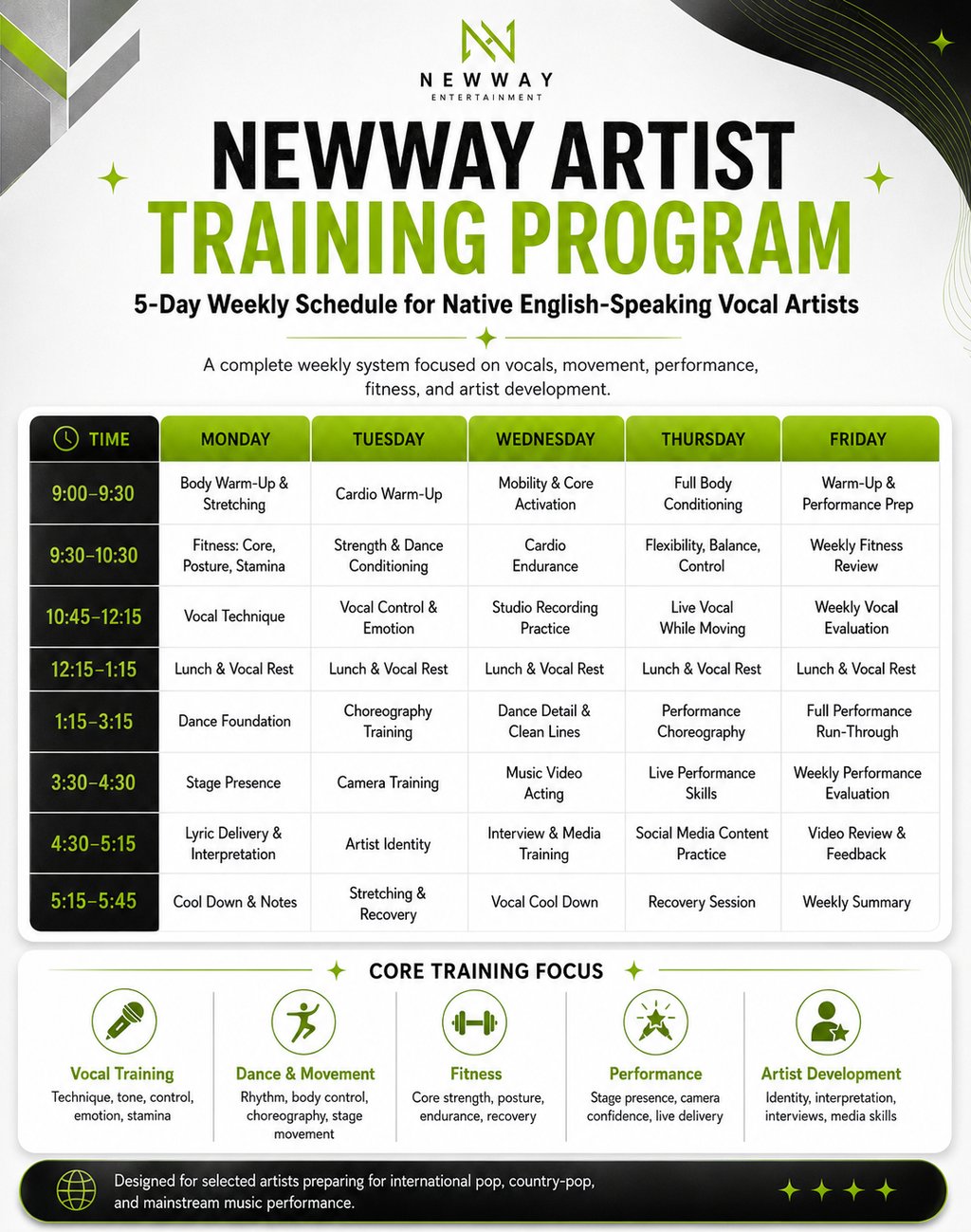
Newway Artist Training Program : 5-Day Weekly Schedule for Vocal Artists
Training Goal:
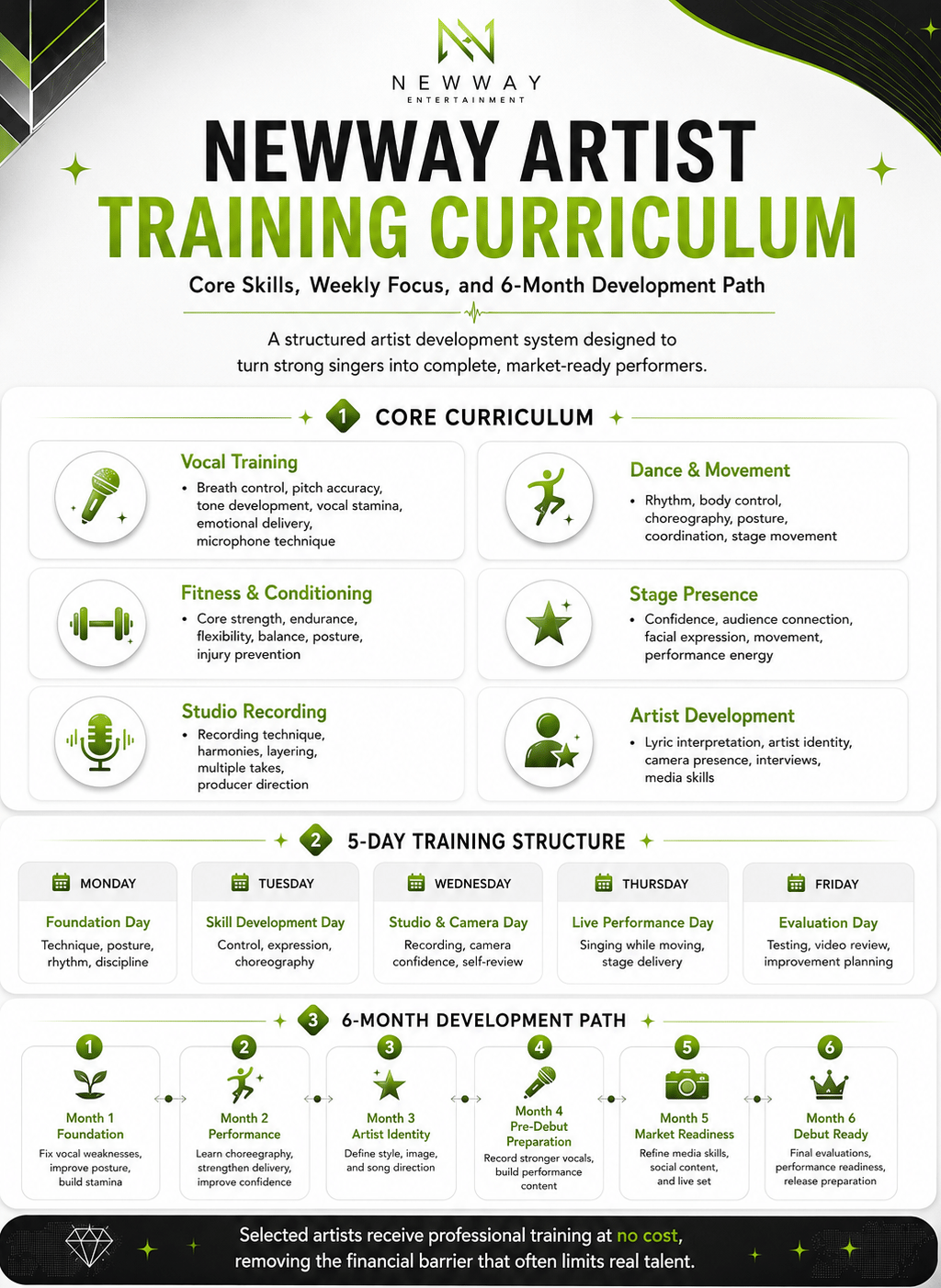
To develop singers into complete recording and performance artists with strong vocals, stage presence, dance ability, physical stamina, camera confidence, emotional delivery, and professional discipline.This program is designed for artists who are already fluent English speakers and are preparing for the international pop, country-pop, adult contemporary, or mainstream music market.
Curriculum Breakdown
1. Vocal Training
The goal is not only to make the artist sing well, but to make them sound recognizable, emotionally believable, and commercially ready.
Core Vocal Skills
Breath control
Pitch accuracy
Tone development
Vocal range expansion
Head voice / chest voice / mixed voice
Vibrato control
Dynamics
Vocal stamina
Microphone technique
Live vocal consistency
Commercial Vocal Style
Artists should learn how to sing differently depending on genre.
For example:
Pop: clean tone, emotional phrasing, catchy delivery
Country-pop: storytelling, natural tone, conversational phrasing
Adult contemporary: emotional control, warmth, maturity
Power ballad: dynamic build, emotional climax, breath support
2. Dance & Movement Training
Not every artist needs to dance like a K-pop idol, but every artist needs to move like a professional performer.
The goal is to make the artist look confident, graceful, camera-ready, and stage-ready.
Dance Foundation
Rhythm
Groove
Body control
Balance
Posture
Coordination
Clean movement
Stage walking
Turning
Arm lines
Camera angles
Performance Choreography
For Newway artists, choreography should depend on the artist type.
Pop artist: medium to strong choreography
Country-pop artist: light choreography, natural stage movement
Adult contemporary artist: elegant movement, emotional presence
Teen pop artist: high energy, sharper movement
Important Rule
The artist should never look like they are “trying to dance.”
They should look natural, confident, and expensive.
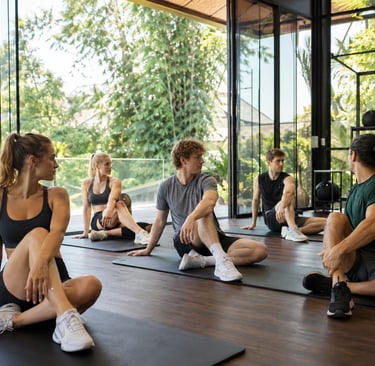
3. Fitness & Body Conditioning
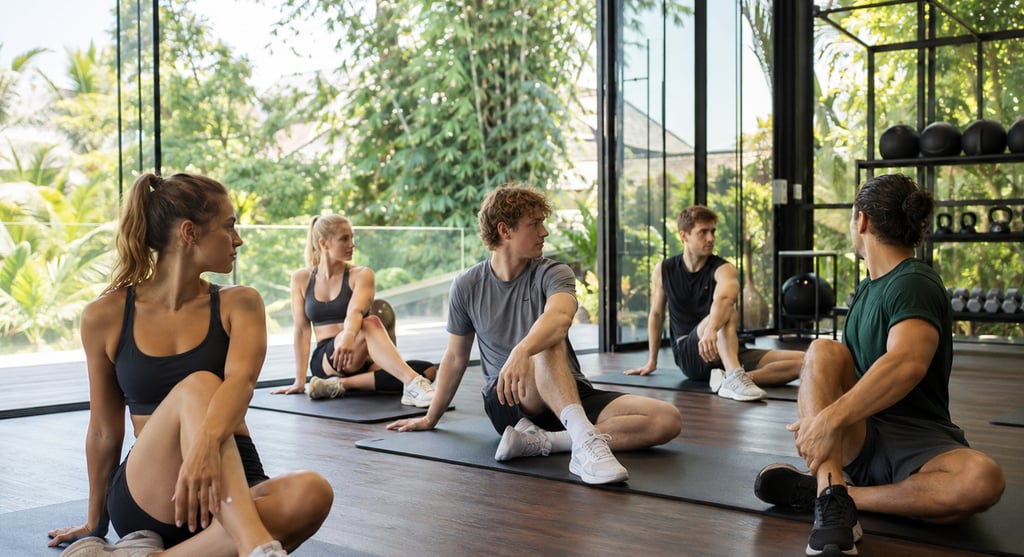
The purpose is not bodybuilding. The purpose is stamina, posture, confidence, and stage endurance. Artists need to be able to sing while walking, moving, and performing without losing breath.
Fitness Focus
Core strength
Leg strength
Back strength
Cardio stamina
Flexibility
Balance
Posture
Breath endurance
Injury prevention
4. Stage Presence
This is one of the most important parts of the program. Many singers can sing well, but they do not look like stars. Stage presence teaches the artist how to own the room.
Stage Presence Training
How to walk on stage
How to stand with confidence
How to hold the microphone
How to look at the audience
How to use facial expression
How to connect emotionally
How to perform to different camera angles
How to move between song sections
How to create a “moment” during the chorus or bridge
Performance Types
Artists should train for:
Live stage
Acoustic session
Music video
Audition room
Interview performance
Social media short-form performance
Award-show style performance
5. Studio Recording Training
A recording artist must understand how to work in the studio.
Some singers sound good live but do not know how to record efficiently. This class teaches them how to deliver a professional vocal take.
Studio Skills
Recording with headphones
Mic distance
Breath control in the studio
Punch-in recording
Layering vocals
Harmonies
Ad-libs
Emotional consistency
Taking direction from a producer
Singing multiple takes without losing quality
Studio Evaluation
The artist should record one short section every week:
Verse
Pre-chorus
Chorus
Bridge
Ad-lib section
Then review the recording with the vocal coach and producer.
6. Lyric Delivery & Song Interpretation
Since the artists are native English speakers, this replaces English language class.
This is extremely important because many young singers can pronounce words clearly but still do not understand how to deliver a lyric emotionally.
Training Focus
Understanding the story of the song
Identifying the emotional turning point
Singing like the words are real
Avoiding fake emotion
Making each verse feel different
Building intensity into the chorus
Making the bridge feel like a climax
Knowing when to sing soft and when to open up
Key Question for Every Song
“What am I really saying in this line?”
If the artist cannot answer that, the performance will feel empty.
7. Camera & Music Video Training
Modern artists must look natural on camera.
This is especially important before shooting music videos, performance videos, TikTok clips, YouTube content, and promotional materials.
Camera Training
Eye contact with camera
Facial expression control
Posing
Movement for close-up shots
Movement for wide shots
Lip-sync performance
Emotional acting
Music video storytelling
Avoiding awkward hand movement
Looking natural while performing
Weekly Exercise
Record the artist performing the same chorus in 3 formats:
Close-up camera
Full-body performance
Social media vertical video
Then compare which version feels most marketable.
8. Media & Interview Training
The artist must learn how to speak like a professional.
This does not mean giving fake answers. It means communicating clearly, confidently, and with personality.
Interview Training
Personal introduction
Artist story
How to explain their music
How to answer difficult questions
How to avoid controversial mistakes
How to sound confident but not arrogant
How to promote a song naturally
How to handle live interviews
How to speak on camera
Sample Questions
Who are you as an artist?
What kind of music do you want to make?
What makes your voice different?
What does this song mean to you?
Why should people listen to your music?
What kind of artist do you want to become?
Connect
info@newwaysmusic.com
Newway Global Music Group
453 S Spring St Ste 400
Los Angeles, CA 90013